Greater Orlando project planning
Pool Leak Detection in Greater Orlando
Investigate unexplained water loss before a cosmetic renovation covers the evidence.
Content updated
Try a bucket test before scheduling leak detection
Compare water loss in the pool with evaporation from a bucket exposed to the same conditions. This screens for a possible leak; it does not locate one.
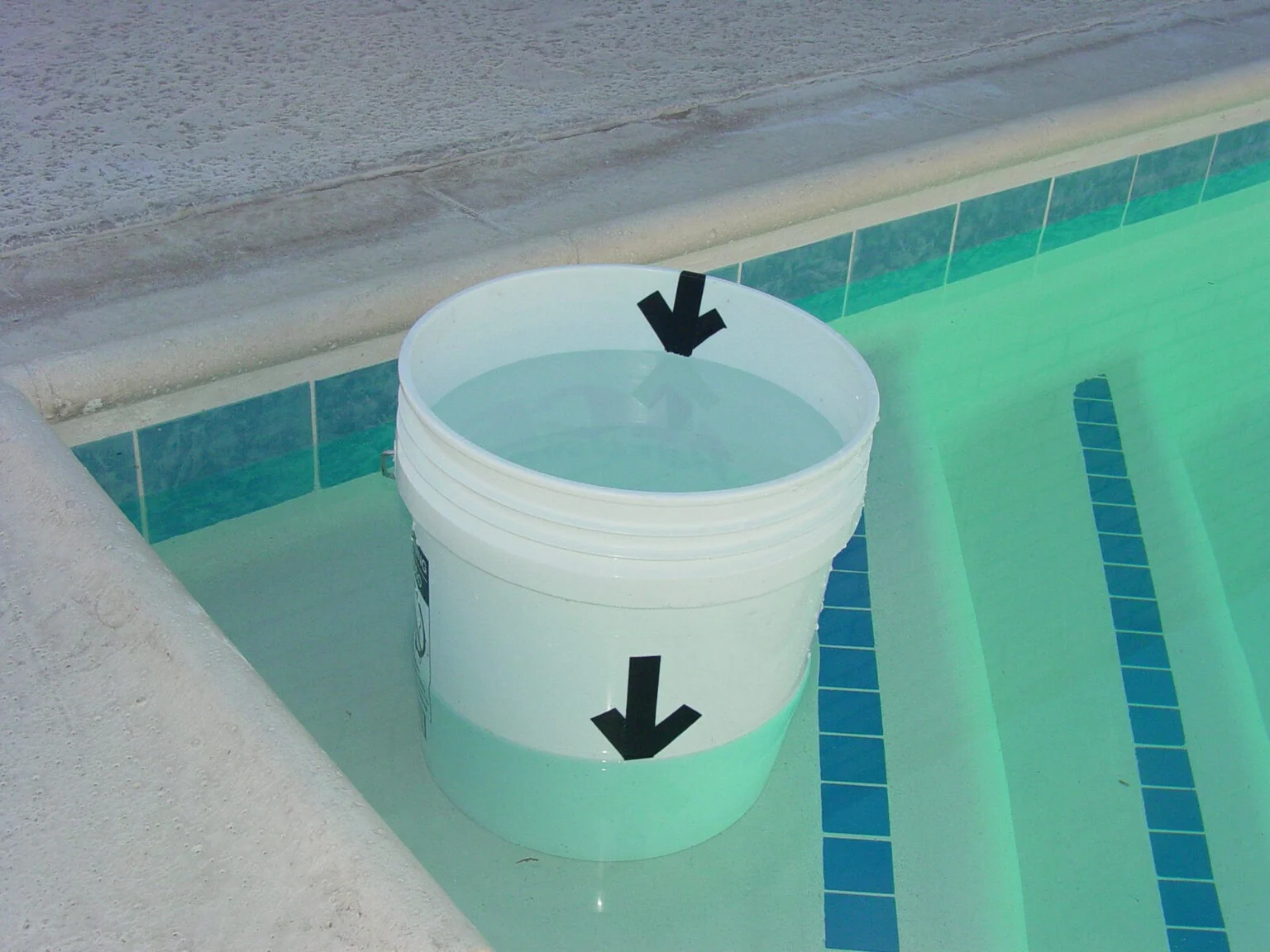
- Bring the pool to its normal water level. Fill an intact bucket with pool water to about one inch below its rim.
- Stand it securely on a submerged step with the rim above the pool water. Keep it from tipping or floating.
- With the water still, mark the level inside the bucket and the pool level on its outside. The two starting heights do not need to match.
- Disable automatic filling and avoid adding water, swimming, backwashing, and splash-producing features. Keep the usual pump schedule and record it. Do not run equipment if the water drops below its safe operating level.
- After 24 hours, measure each drop from its own starting mark. If rain or other water changes interfere, repeat under stable conditions.
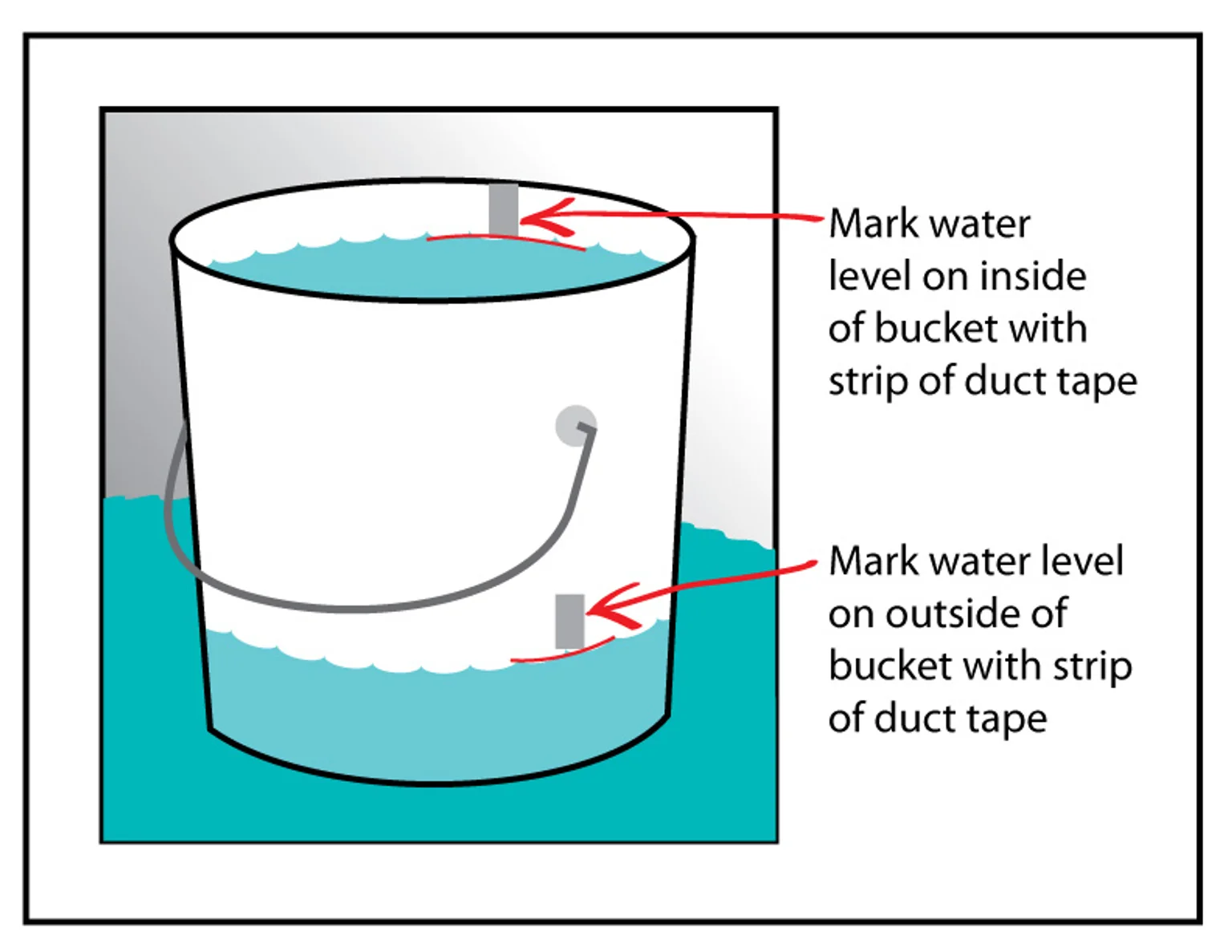
Similar drops suggest evaporation. A larger pool drop suggests additional water loss and warrants an assessment. A small or intermittent leak can escape this test. Record measurements and equipment timing for the technician; do not drain the pool to investigate.
Method reference: American Leak Detection bucket test.
Leak detection investigates unexplained water loss before repair or resurfacing is chosen. A wet area, falling water level, or frequent refill is evidence to record, not proof of a particular failure.
Keep an observation log
Record when the water level changes, whether the equipment is running, and whether an autofill is active. Share recent bills and repair history. Follow professional instructions before changing equipment operation or water level.
Ask what the investigation covers
Clarify whether the assessment includes visible equipment, plumbing tests, fittings, and the shell, and what written findings you will receive. Agree on authorization for further testing and separate pricing for repairs.
What should be itemized
Ask the proposal to identify diagnostic scope, access, findings, proposed repairs, exclusions, and a way to verify the result. If an item is excluded or uncertain, have it named before comparing totals. Use the pool budget planner to organize the quoted components.
Planning this work in Orlando
For an Orlando-area pool, record screen-enclosure openings and the material route to the backyard before booking work. A resurfacing proposal should explain how the installer will coordinate the weather window, pool assessment, and refill. The City of Orlando’s pool and spa checklist is a starting point for permit questions; its new-pool checklist is not proof that every renovation needs the same permits. Confirm the scope and parcel jurisdiction.
Request an estimate with the pool location, concerns, and desired changes.
Planning information compiled from the linked public resources and project-scope guidance. Examples are illustrative. Product instructions and the assessment of your property determine the final work. About this site.
Pool Leak Detection questions
Can the final scope be determined from photos?
Photos help identify the request, but measurements, access, equipment compatibility, and concealed conditions may require an on-site assessment.
What should I compare before choosing a proposal?
Compare the same preparation, repairs, quantities, product models, startup responsibilities, and exclusions—not just the total.